
Understanding the Allure of Casinos
The allure of casinos is deeply rooted in their design and the psychological triggers they employ to attract patrons. Bright lights, vibrant sounds, and the buzz of excitement create an immersive environment that stimulates the senses, making them akin to a crypto betting exchange vodds where many visitors find themselves drawn to these sensory experiences, which can elevate their mood and encourage longer stays.
Moreover, the psychology of choice plays a significant role in the patron experience. Casinos often present an overwhelming array of options: from diverse games to enticing promotions. This abundance of choices can create a paradox where players feel more engaged and excited, yet simultaneously more pressured and uncertain. The excitement of potential winnings can cloud judgment, leading individuals to make choices they might not normally consider in a more rational setting. Understanding these dynamics is essential for grasping why so many are captivated by the casino experience.
Additionally, the concept of risk-taking behavior is fundamental to the appeal of casinos. Many patrons are driven by the thrill of uncertainty and the potential for high rewards, a classic example of the gamble psychology. This tendency often manifests in the form of high-stakes games, where the adrenaline rush becomes a powerful motivator. For some, the experience transforms into a quest for not only monetary gain but also social recognition and self-esteem boosts, highlighting the complex interplay between risk, reward, and personal identity within the casino landscape.
The Role of Social Interaction
Social interaction is a crucial aspect of the casino experience, fostering community and camaraderie among patrons. Many gamblers enjoy the social elements of gaming, as it allows them to connect with others, share experiences, and even form friendships. Table games, in particular, create opportunities for players to engage with each other, sharing strategies and celebrating wins. This social dimension can enhance the enjoyment of the gambling experience, making it more than just about the games themselves.
Furthermore, the social atmosphere of casinos often influences the behavior of patrons. People tend to mimic the actions of those around them, a phenomenon known as social contagion. This can lead to increased betting behavior as individuals observe their peers’ enthusiasm and success. When one player wins, it can create a ripple effect, encouraging others to increase their stakes in hopes of mirroring that luck. The communal experience can amplify emotions, turning the casino into a microcosm of shared aspirations and ambitions.

Casinos also host events and entertainment, further enhancing the social aspect. By incorporating live performances and themed nights, casinos provide patrons with additional reasons to visit beyond gambling. These events create a festive environment and offer opportunities for socializing outside of the gaming floor. Patrons may find themselves returning not just for the thrill of the games but for the overall social experience, strengthening their psychological attachment to the venue.
The Impact of Cognitive Biases
Cognitive biases profoundly influence how casino patrons approach gambling. One of the most pronounced biases is the illusion of control, where players believe they can influence outcomes despite the games being purely based on chance. This illusion can lead to risky behaviors, as players over-estimate their abilities to predict or affect results. For instance, a player may feel confident in their skills at a game like poker, even though the outcome relies heavily on luck. Understanding this bias can reveal why patrons persist in gambling even when faced with losses.
Another common cognitive bias among players is the gambler’s fallacy, which occurs when individuals mistakenly believe that past outcomes affect future results. Patrons might think that a slot machine is “due” for a win after a streak of losses, leading them to continue playing in hopes of a big payout. This belief can be particularly harmful as it encourages reckless betting patterns and a false sense of security regarding their odds of winning. Such biases highlight the complexities of human decision-making within the gambling context.
Additionally, loss aversion plays a significant role in the psychology of casino patrons. Research shows that individuals experience the pain of losing more intensely than the pleasure of winning the same amount. As a result, patrons may engage in behaviors aimed at chasing losses, believing that a single win can compensate for multiple losses. This tendency often leads to prolonged gambling sessions and deeper financial commitments, further complicating the emotional and psychological landscape faced by casino patrons.
Emotional Responses and Gambling Behavior
The emotional responses elicited by gambling can significantly affect a patron’s behavior and decision-making processes. Many individuals experience a rush of excitement when playing games, leading to heightened emotional states. These emotions can, at times, dominate rational thought, causing players to make impulsive decisions. The thrill of chasing winnings can override any sense of caution, resulting in a cycle of behavior that prioritizes immediate gratification over long-term consequences.
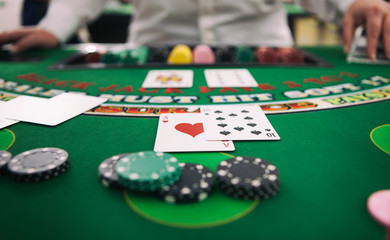
Conversely, emotional lows can also lead to problematic gambling behavior. Patrons seeking to cope with stress or negative emotions may turn to casinos as an escape, believing that gambling will provide a shortcut to happiness. This form of emotional gambling can quickly spiral into compulsive behavior, where individuals find themselves in a destructive cycle of gambling to alleviate emotional discomfort. Recognizing these emotional triggers is crucial for understanding why some patrons develop unhealthy relationships with gambling.
Furthermore, casinos often exploit these emotional responses to enhance patron engagement. By implementing strategies to evoke excitement, such as jackpots and bonus rounds, they keep players emotionally invested. This manipulation of emotions is a fundamental aspect of casino marketing and design, as it aims to maximize player retention. As a result, understanding the emotional landscape of casino patrons offers a comprehensive view of the gambling experience and its psychological implications.
Exploring Resources for Responsible Gambling
For those examining the psychology of casino patrons, understanding responsible gambling resources is essential. Many casinos and gambling organizations prioritize promoting safe practices, recognizing the potential for addiction and its consequences. They provide resources such as self-exclusion programs, informational pamphlets, and access to counseling services to assist individuals struggling with gambling-related issues. By focusing on responsible gambling, casinos aim to create a sustainable environment where patrons can enjoy gaming without risking their well-being.
Numerous organizations dedicated to responsible gambling also offer online resources that educate individuals about the risks and signs of gambling addiction. These platforms often provide detailed information on recognizing unhealthy behaviors and establishing personal limits. As the conversation around gambling awareness continues to grow, the importance of these resources cannot be overstated. They are integral in fostering a culture of responsibility within the gaming community.
As casinos increasingly embrace technology, many are incorporating modern solutions to promote responsible gambling. Mobile apps and online platforms are now available, allowing patrons to track their spending and set budgetary limits. By integrating digital tools, the industry aims to empower players with the knowledge needed to make informed decisions. These innovations reflect a growing commitment to the well-being of patrons and highlight the industry’s potential to influence positive change within the gambling landscape.