
Understanding the House Edge
When discussing the likelihood of beating the house at a casino, it is essential to understand the concept of the house edge. This refers to the mathematical advantage that the casino holds over players in any given game. For example, in games like blackjack, players can employ strategies to minimize the house edge, but it will always exist, ensuring that the casino retains an advantage over time. Many enthusiasts also explore strategies like nrl betting tips to improve their chances, especially in games where skill plays a significant role, while other games, like slot machines, tend to have a significantly higher house edge, making it more challenging for players to secure a profit over the long haul.
The house edge varies depending on the game, and players should familiarize themselves with these odds to make informed decisions. In table games, the house edge is often displayed directly on the game rules, while in slots, it may be less transparent. Understanding how the house edge operates gives players insight into their long-term chances and helps them develop strategies accordingly. This knowledge is crucial for anyone looking to approach gambling not just as entertainment but as a potential opportunity to win.
Moreover, it is important to remember that the house edge does not guarantee that all players will lose; instead, it suggests that, over time and many games, the casino will win more often than the players. Thus, while it is theoretically possible to win in the short term, consistent wins are rare for most players due to this mathematical principle. Players should approach their gambling experience with this understanding, balancing enthusiasm with a realistic view of the probabilities involved.
Strategies to Improve Your Odds
Beating the house isn’t entirely out of reach, particularly if players employ strategic methods aimed at minimizing losses and maximizing their chances of winning. Techniques such as card counting in blackjack or utilizing specific betting systems can enhance the player’s odds in certain games. These methods require dedication, practice, and a deep understanding of the game mechanics, making them more suitable for serious players rather than casual gamblers. This commitment to strategy can make a significant difference in the long run.
For instance, card counting allows players to keep track of the ratio of high to low cards in the deck, enabling them to adjust their bet sizes based on the remaining cards. While this method is not foolproof, it can provide a mathematical advantage when executed correctly. However, players must also be discreet, as casinos are generally vigilant against those using such tactics and may employ countermeasures to deter card counters. Understanding the risks involved is crucial for anyone considering this strategy.
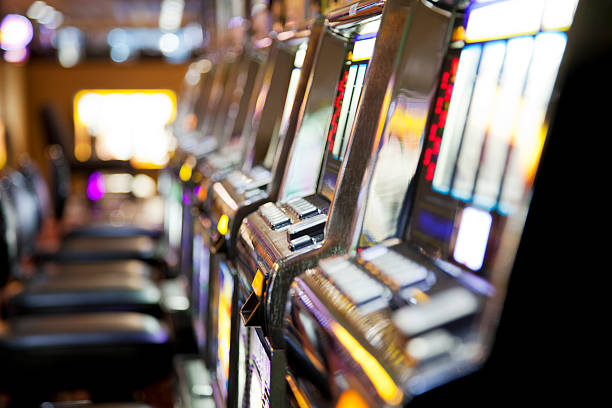
Another effective strategy involves choosing games with the lowest house edge. For example, video poker offers a lower house edge than many slot machines when played optimally. Players can improve their odds by selecting games that provide the best possible return on investment, thereby maximizing their chances of walking away with a profit. This approach requires players to do their research and understand which games can potentially offer them the best returns, enhancing their overall gambling experience.
The Role of Luck in Gambling
Despite strategies and knowledge, luck undeniably plays a pivotal role in gambling outcomes. Many casino games involve an element of chance, and no strategy can guarantee a win every time. This randomness can be both exhilarating and frustrating for players, as winning streaks can arise unexpectedly, while losses can occur in rapid succession. Understanding the role of luck is essential for managing expectations when visiting a casino, as it allows players to enjoy the thrill without becoming overly invested in outcomes.
Moreover, players should recognize that their emotional state can influence their perception of luck. For example, a player in a positive frame of mind may interpret wins as a sign of skill, while a series of losses may lead to feelings of hopelessness. This emotional rollercoaster can impact decision-making, leading to further losses if players chase their losses or become overly confident after a winning streak. Recognizing these emotional triggers can help players maintain a more balanced approach to gambling.
Ultimately, while skill and strategy can enhance a player’s odds, they cannot eliminate the inherent unpredictability of gambling. A successful gambling experience balances strategy with a healthy acknowledgment of luck’s role, allowing players to enjoy the excitement without falling prey to unrealistic expectations. This realization can foster a more sustainable relationship with gambling, where players seek enjoyment rather than solely focusing on winning.
The Psychological Aspect of Gambling
Understanding the psychology behind gambling can also shed light on how players can or cannot beat the house. Casinos are meticulously designed to create an environment that encourages players to gamble more, featuring bright lights, sounds of winning, and complimentary drinks. This atmosphere increases excitement but may also lead to impulsive decisions that deviate from a player’s strategy. Recognizing these environmental influences can empower players to make more calculated choices.

Furthermore, many players fall victim to cognitive biases, such as the illusion of control. This is the belief that players can influence random outcomes through their actions, which often leads to overconfidence and potential losses. Recognizing these psychological traps is an essential part of developing a more strategic approach to gambling. Awareness of these biases can help players make more informed decisions and maintain a balanced perspective throughout their gaming experience.
Incorporating self-discipline and awareness into one’s gambling habits can help mitigate these psychological pitfalls. Setting limits on both time and money spent can encourage a more responsible gambling approach, where the emphasis is on entertainment rather than merely winning. This mindset shift can significantly enhance the overall experience, allowing players to enjoy the social aspects of gambling while minimizing the risks associated with excessive play.
Finding Reliable Information about Casinos
When it comes to gambling, not all sources of information are created equal. The internet is filled with tips, tricks, and strategies, but it’s crucial to discern which resources offer reliable insights. Quality websites dedicated to gaming analysis provide valuable information on game strategies, house edges, and the latest changes in casino regulations. Doing thorough research can equip players with the knowledge necessary to make informed decisions, ultimately improving their chances of success.
Additionally, many reputable websites offer reviews of different casinos, detailing their game offerings, payment options, and player experiences. These reviews can help players identify which establishments align with their preferences and gaming styles, whether they favor high-stakes games or casual play. By prioritizing information from reliable sources, players can enhance their chances of success while navigating the complex world of casinos, allowing them to make choices that align with their gaming goals.
Furthermore, staying updated on trends and changes within the gaming industry can be beneficial. Many casinos introduce new games or modify existing ones, which can impact players’ odds and strategies. Engaging with credible forums and gaming communities can offer insights and advice from seasoned players, fostering a collaborative environment where knowledge is shared to improve overall gaming experiences. This proactive approach to learning can help players stay ahead of the curve and enhance their gaming strategies.